

At Dunwoody Animal Medical Center, we believe a vet visit doesn't have to be scary. For many dogs and cats, a trip to the veterinarian triggers real anxiety — the unfamiliar smells, sounds, handling, and strangers can be genuinely overwhelming. That's why low-stress handling isn't an afterthought here — it's woven into everything we do, from the way our exam rooms are designed to the way our team approaches every patient.
Most of our veterinarians and many of our support staff are Fear Free certified, meaning they've completed specialized training in feline and canine behavior, stress signals, and science-backed techniques for reducing fear, anxiety, and stress (FAS) in clinical settings. In addition, members of our team have completed Low Stress Handling certification training, which focuses on safe, compassionate, and emotionally supportive handling techniques for pets in the veterinary environment. That individual expertise and commitment to low-stress care directly shapes every aspect of how we care for and handle your pet.
We're also proud to be AAHA-accredited — a distinction held by only about 15% of veterinary practices in the U.S. — which means our care standards, including our approach to patient handling, are regularly evaluated against the highest benchmarks in the profession.
What Is Low-Stress Handling — and Why Does It Matter?
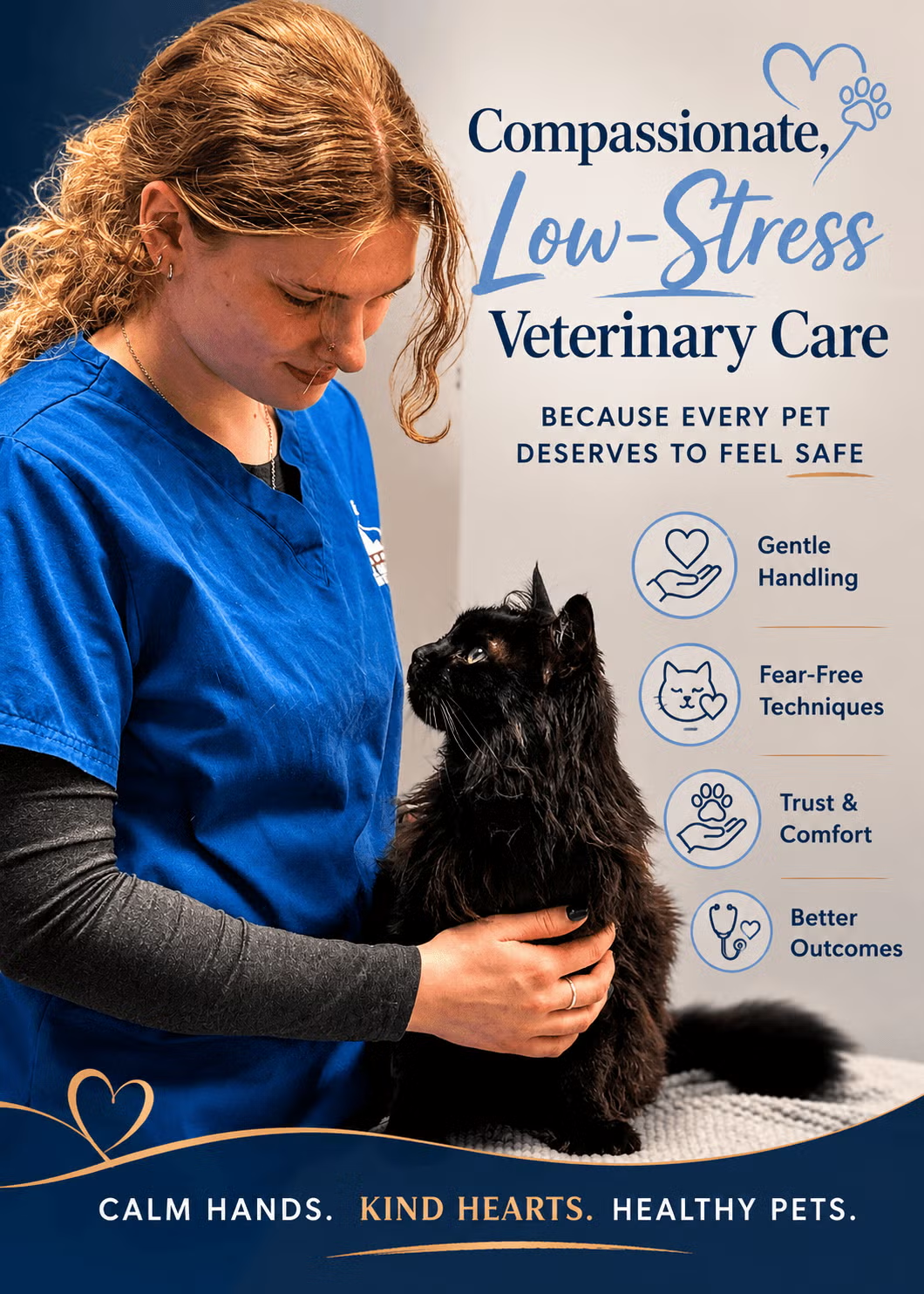
Low-stress handling is a patient-centered philosophy that prioritizes your pet's emotional wellbeing alongside their physical health. Rather than simply restraining an anxious animal to get through an exam, our team reads behavioral cues, adapts our approach in real time, and uses positive reinforcement to make each visit as comfortable as possible.
This matters for more than just your pet's comfort in the moment. Repeated stressful vet experiences can lead to worsening anxiety over time, avoidance of preventive care, and even physiological changes (elevated heart rate, cortisol spikes) that can skew exam findings. A calmer patient is a healthier patient — and better data for us to work with.
How We Put Low-Stress Handling Into Practice
- We Take Our Time Before we ever touch your pet, we talk with you. We want to hear about how your pet is doing, what you've noticed at home, and any concerns you have. This isn't just good medicine, it gives your pet a few minutes to settle, take in their surroundings, and realize that the people in the room aren't a threat.
- Our Space Is Designed With Your Pet in Mind Every exam table features a padded, non-slip blue topper (a color both dogs and cats can see well) providing warmth, traction, and a greater sense of security. Our lift tables lower all the way to the floor so dogs aren't lifted and placed on a table, which can be frightening and physically uncomfortable, especially for older pets. Our flooring provides traction so pets don't slip, which is especially important for senior dogs or those with mobility challenges.
- Treats Are a Medical Tool Here We keep a well-stocked supply of both dog and cat treats in every exam room. We use them intentionally - for distraction during procedures, counter-conditioning to build positive associations, and reward-based reinforcement throughout the visit. If your pet has food allergies or sensitivities, just let us know and we'll work around it.
- Our Team Is Trained to Read the Signs Every member of our team is trained to recognize signs of fear, anxiety, and stress in dogs and cats. That might be a tucked tail, flattened ears, dilated pupils, a cat pressed into the back of their carrier, or a dog who suddenly stops taking treats. When we see those signals, we adjust. We slow down, change our approach, or give your pet a break.
How Pet Parents Can Make the Visit Easier
You're your pet's greatest advocate and your role starts before you even walk through our door. Here are the most impactful things you can do:
- Bring Their Favorite Treats (and Lots of Them) Your pet knows your treats. Bringing a small bag of their highest-value rewards (real chicken, freeze-dried liver, whatever makes their eyes light up) can dramatically reduce anxiety during an exam. High-value food can redirect attention away from what we're doing and create a positive association with the experience.
- Carrier Training for Cats and Small Dogs The carrier is often the first trigger in a vet-visit stress spiral. If the only time your cat sees their carrier is right before a vet trip, they've already learned to be afraid of it before you leave the house. Leave the carrier out between visits with cozy bedding, familiar scents, and treats inside. Let it become a normal, comfortable part of their environment, not a sign that something stressful is coming.
- Come In Just to Say Hi We mean it! You are welcome to bring your pet in for a no-appointment-needed, no-medical-attention visit anytime during business hours. We keep treats at the front desk, and our team genuinely enjoys giving belly rubs. Pets who visit us just for fun are far more relaxed when they come in for actual care.
- Ask Us About Calming Supplements and Medications Some pets need a little extra support. We carry a range of options, from herbal and holistic supplements to prescription anti-anxiety medications. For best results, most of these work better when started a few days before the appointment rather than just the morning of, so plan ahead and call us if you think your pet might benefit.
- Your Calm Is Contagious Pets are remarkably attuned to our emotional states. If you're anxious about the visit, they'll feel it. Take a few deep breaths on the way over. Try to project ease and confidence when you walk in. It genuinely helps.
Compassionate, Low-Stress Veterinary Care — Right Here in Dunwoody
We serve pets and families throughout Dunwoody, Sandy Springs, Chamblee, Brookhaven, and the surrounding north Atlanta communities. Whether your pet is a nervous rescue dog, a skeptical senior cat, or a puppy experiencing their first exam, our team is ready to meet them where they are — patiently, gently, and without judgment.
Ready to experience the difference? Call or text us at (770) 501-3464, or request an appointment online. And if you have questions about how we handle a specific type of patient, please don't hesitate to call ahead. We'll plan accordingly.