

Complete Kitten Care Guide: How to Raise a Happy, Healthy Kitten
Bringing a new kitten home is one of life's most joyful experiences. But beyond the cuddles and playtime, your kitten depends on you for proper nutrition, veterinary care, and socialization to grow into a thriving adult cat. At Dunwoody Animal Medical Center, we've helped countless pet owners in Dunwoody give their kittens the best possible start. This complete kitten care guide covers everything you need to know.
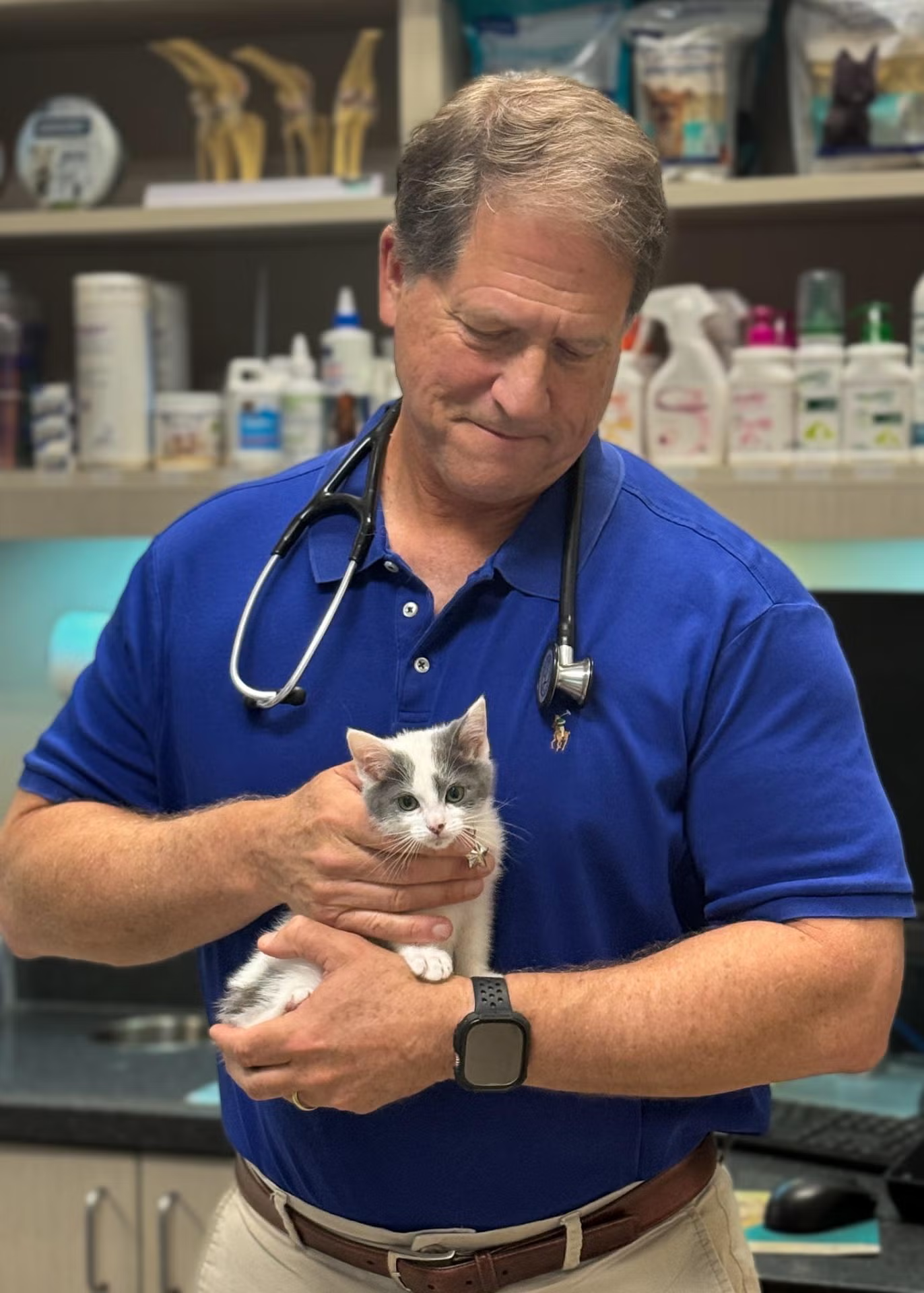
Why Preventative Kitten Care Is the #1 Priority
The most important thing you can do for your new kitten is prioritize preventative care from day one. This means scheduling vaccinations on time, starting flea and tick prevention early, providing a balanced diet, and ensuring regular veterinary checkups. Socializing your kitten early — exposing them to people, sounds, and other animals — also plays a critical role in their long-term behavioral health.
How to Properly Pick Up a Kitten (and What to Avoid)
Many new owners don't realize there's a right and wrong way to handle a kitten. Never pick up a kitten by the scruff — this can cause pain and injury. Instead:
- Place one hand under their chest for support
- Use your other hand to support their hind legs and bottom
- Hold them close to your body without squeezing
- If they become agitated, calmly set them back down
It may take several sessions for your kitten to feel comfortable being held — patience is key
Signs Your Kitten Is Happy and Healthy
Knowing how to read your kitten's behavior can help you catch health issues early. A happy, healthy kitten typically:
- Purrs, meows, and vocalizes regularly
- Eats and drinks consistently
- Grooms themselves daily
- Uses the litter box without hesitation
- Plays actively with toys or people
- Kneads blankets or soft surfaces
Any sudden changes in behavior, appetite, or energy level should prompt a call to your veterinarian.
.jpg)
Kitten Nutrition: What and How Often to Feed Your Kitten
Kittens have very different nutritional needs than adult cats. Choose a high-quality kitten food rich in animal-based protein, calcium, and phosphorus to support rapid growth and high energy levels.
Wet food vs. dry food:
- Wet food provides more moisture, supporting hydration, urinary tract health, and kidney function
- Dry food is convenient for multi-cat households and supports dental hygiene, though some cats may overeat it
How often should you feed a kitten? We recommend 3–4 small meals per day. Kittens burn calories quickly and can't consume enough nutrients in a single meal. When in doubt about the best diet for your kitten, consult your veterinarian for personalized guidance.
Essential Products for New Kitten Owners
Before bringing your kitten home, stock up on these must-have supplies:
- Food and water bowls
- High-quality kitten food
- Litter box and litter
- Comfortable bedding
- Grooming tools (brush, nail clippers)
- Interactive toys and a scratching post
- Breakaway collar with ID tags
- Adjustable harness and leash
- Pet carrier for vet visits and travel
Your vet may also recommend specific supplements based on your kitten's individual health needs.
Kitten Vaccination Schedule: When to Visit the Vet
Schedule your kitten's first vet appointment within the first week of bringing them home. Kittens should begin veterinary care at 6–8 weeks of age. Core vaccinations are given in a series until your kitten is 16–20 weeks old and protect against:
- Feline distemper (panleukopenia)
- Feline viral rhinotracheitis (feline herpesvirus 1)
- Calicivirus
- Rabies
Non-core vaccines, such as the feline leukemia vaccine (FeLV), may be recommended for kittens who spend time outdoors or around outdoor cats. Your veterinarian will build a vaccination plan tailored to your kitten's lifestyle.
How to Make the Most of Your First Kitten Vet Visit
Your kitten's first vet visit sets the tone for a lifetime of good health. Come prepared:
- Bring adoption paperwork, medical records, and vaccination history
- List any medications, supplements, or foods your kitten is currently receiving
- Bring a fresh stool sample to screen for intestinal parasites
- Pack your kitten's favorite treats to help build positive associations with the vet
- Write down any symptoms or concerns ahead of time — no question is too small
.jpg)
Early Warning Signs of Health Problems in Kittens
Learn to recognize these common signs that your kitten may need veterinary attention:
- Lethargy or unusual tiredness
- Loss of appetite or refusal to drink
- Vomiting or diarrhea
- Sneezing, coughing, or nasal/eye discharge
- Changes in coat appearance or grooming habits
Common kitten health issues include upper respiratory infections (URI), intestinal parasites, ear mites, and fleas. Do not attempt to self-diagnose — delayed or incorrect treatment can worsen your kitten's condition. Always consult a licensed veterinarian.
Understanding Kitten Behavior and Development
Kittens learn crucial social skills from their mother and littermates, which is why early socialization matters so much. They communicate through meowing, purring, hissing, growling, and body language like rubbing, rolling, and stretching.
Play is not just fun — it's essential to your kitten's development. Kittens engage in three types of play:
- Social play with littermates or their mother (builds communication skills)
- Object play with toys (develops hunting instincts and eye-paw coordination)
- Locomotory play like running and jumping (builds balance and agility)
Encouraging all three types of play helps your kitten develop into a well-rounded, confident adult cat.
For more resources, view our Kitten Packet Here!
Trusted Kitten Care in Dunwoody, GA
Raising a kitten is one of the most rewarding things you can do — and you don't have to do it alone. At Dunwoody Animal Medical Center, our experienced veterinary team is here to guide you through every stage of your kitten's growth and development.
Ready to book your kitten's first appointment? Contact us at (770) 501-3464 or email us at [email protected]. We'd love to meet your new family member!
Don't forget to follow us on social media: Facebook, Instagram.